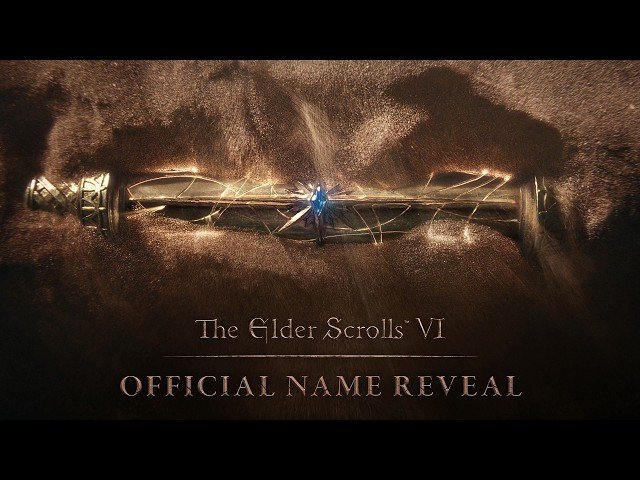
The Elder Scrolls 6: Sentinel has now had its full name for almost a month, but that doesn’t mean we should expect to be playing it any time soon. It’s now been 15 years since the launch of Skyrim, and if the next installment takes another two, the gap will be equal to that between the first Elder Scrolls game and the fifth. Fortunately, Producer Todd Howard has some positive news about the state of Sentinel, along with some thoughts on how Bethesda RPGs can continue to feel special when the genre has expanded so dramatically.
Howard calls The Elder Scrolls 6: Sentinel “our main focus.” Speaking to Gene Park for The Washington Post, he says, “The majority of the studio is on it,” adding, “We are creating a lot of it at a really good clip, playing the game every day.” He reveals that the decision to set the new Elder Scrolls game in Hammerfell, along with its overarching nature, themes, and story, has been locked in at Bethesda “for a very, very, very long time.”
The studio’s approach “always starts with the world,” Howard explains to Park. “What are you going to be exploring, and what is the tone?” While he gives no more specific details regarding the likes of a potential Sentinel release date, or the platforms that the long-awaited fantasy game will eventually come to, he does note, “The only thing I can say is we are where we planned to be. We’re very happy with how it’s looking.”
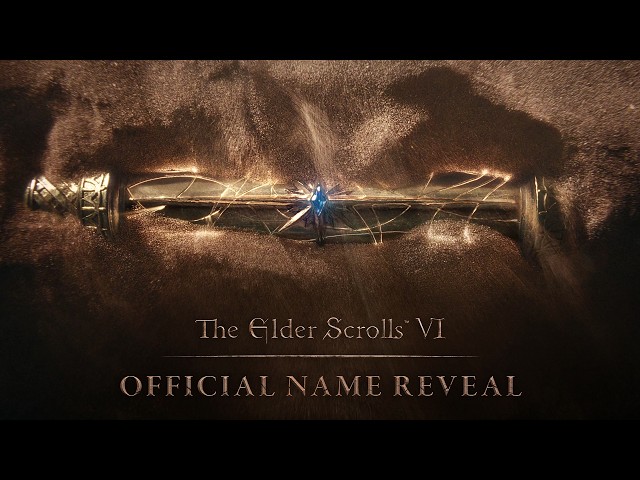
After officially announcing The Elder Scrolls six all the way back in 2018, Howard admitted in 2025 that the wait for its arrival had “been too long,” yet the studio raised heads at the start of this month by giving us its full name: Sentinel. The idea was proposed by Bethesda’s marketing team to celebrate the company’s 40th anniversary, and Howard agreed, but with the caveat that there would be another long wait for more information. What it did confirm was the location, with Sentinel being one of Hammerfell’s nine major kingdoms.
15 years on from the launch of Skyrim, Howard believes that many of the defining features of RPGs, such as earning experience and improving your skills and gear, apply to “90% of games now.” However, he says Bethesda specializes in the heart of role-playing: “That ability to make a new character and then go develop them.”
Howard’s promise is to let you truly become that person,”with as much agency as possible in a world, and have that world respond to the things you’re doing and your curiosity. That for us is role-play.” He says it’s the developer’s responsibility to make that satisfying. “The more choice we can give you and the more the world can react to that, then we’ve done our jobs.” As Sentinel’s development continues, Howard is constantly asking, “Here’s the experience we want, do we feel we’re getting it? Where are we not?”

Bethesda has faced significant staff changes this year as part of Microsoft’s restructuring, and there’s a push to support the big new games with remasters including Fallout 3 and New Vegas, along with adaptations such as Amazon’s Fallout series. Despite this, Bethesda President Jill Braff emphasizes, “Nobody’s forcing anybody to build anything they don’t want to build. It’s not about volume. It’s about quality and a steady pace so that we do have steady revenue, steady player involvement.”
By encouraging the studios under the Bethesda umbrella, which include MachineGames and id Software, to work more closely together, Braff hopes they will be able to share their individual strengths while retaining their respective identities. The core Bethesda Game Studios remains under 500 employees, and Howard believes its reluctance to overexpand has helped it to survive. As for Sentinel, while the team is playing it daily to ensure it meets expectations, Hoard asserts that “It’s not complete until someone else plays it.”