Tom is an expert in all things Fortnite or the latest RPG release, but is probably spending too much time on the latest EA FC game.
Published:
When I previewed Stranger Than Heaven at Summer Game Fest, my 45 minutes with the game were focused on its combat. It was a good introduction to one of its most unique features, but I wanted to see more of the personality and style I knew there would be. RGG’s games are cinematic and silly in equal measure. You’ll be singing karaoke on a back street one second, then beating the head of several Yakuza in the next.
Since Stranger Than Heaven is set over the course of 50 years, between 1915 and 1965, I wanted to see how it captured the tone of the time periods but still maintained its playful side.
The opening of the game is really strong. Set in San Francisco, you’re introduced to the game’s protagonist, Makoto Daito. After being chased by some gangsters, he ends up on a boat captained by Snoop Dogg’s character. While the less that’s said about Snoop’s acting the better, Daito seems like a genuinely interesting character, and it’ll be fun to see him grow as the game’s 50 years pass. He’ll inevitably transition from a scared young adult to a confident businessman, and we’ll go on that journey with him.

Soon after playing through the game’s opening, I was transported to Stranger Than Heaven’s first main location, Kokura in 1915. Daito is getting his bearings and learning the ways of the world in Japan for the first time. This is where the quality of RGG’s writing really stood out.
You meet a girl in a bar and spend an evening drinking and laughing together. Daito’s relationship with her is instantly electric from the moment they meet, thanks to some excellent performances and impressive direction. The story in this section is more personal and intimate than much of the Yakuza series, and I was engrossed really quickly. I’m looking forward to seeing where that relationship goes, and how it’ll inevitably lead to almost endless violence.
Interestingly, there’s an almost watercolor painting aesthetic to the cutscenes in Stranger Than Heaven. The background is blurry in a stylized way, the world around you shimmering as the story plays out in the foreground. It’s a little strange at first, but I think it’s a great way to centralize the story while maintaining the early 20th-century style.
I came away most impressed by the game’s overall feel after three hours of hands-on. There’s plenty to get lost in, too. You’ve got all of the shopping, drinking, street-fighting, and general wandering about you’d expect from the Yakuza series, but there are some Stranger Than Heaven-specific activities you can spend endless time on.

In the game’s latter sections, you can head to an underground fighting ring and bet on yourself to beat a selection of increasingly powerful bad guys. Defeat them once, and you can jump into a rematch with a few handicaps. If you beat them within a time limit, without weapons, or with other restrictions active, you can earn even more money. If you can master the combat, there’s a lot of fun to be had there.
Elsewhere, you can run your own theater business, putting on musical performances. You hire musicians, choose their instruments, compose the music, configure the lighting, and choose the ticket prices. All of that is to try and attract the most customers, increasing your profit margin. It is Stranger Than Heaven’s main business activity, replacing the likes of Kiryu’s real estate management. It’s pretty straightforward at first, but I can see myself losing a lot of time to it as I try and learn how to make the most money in the least amount of time.
The open world aspect of the game is stylish and fun to explore; I just don’t think it’s as absurdist as you’re used to from RGG’s games. The silly side may show itself a little more later in the game, but I think the more serious tone fits Stranger Than Heaven’s world quite well.
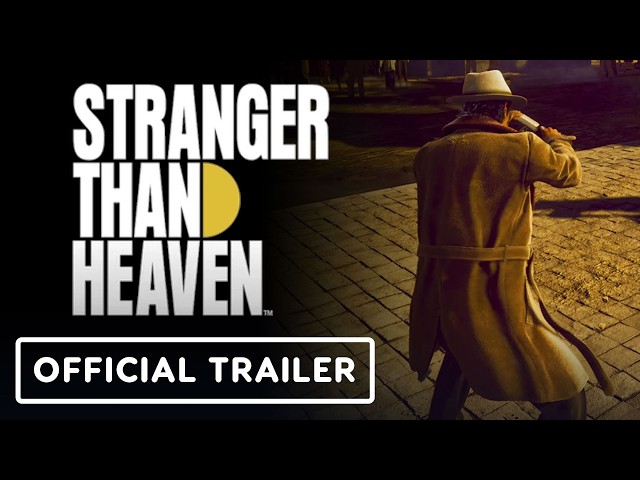
The combat, however, will take some getting used to. With each of your controller’s shoulder buttons controlling one of Daito’s limbs – R1 is the right arm and L1 is left – there’s a lot to think about in every fight. You need to block with the correct button and attack the way your opponent isn’t covering. In one-on-one fights, it works well, as you can keep a close eye on your foe’s movements, but I found group fights in the street to be overwhelming and a little frustrating.
I think it’ll feel more natural in the full game, where you’re able to play through the whole combat tutorial and get used to the mechanics over time, but it felt quite clunky and over-engineered when jumping between eras and switching between weapons each time.
Even if I don’t ever get comfortable with Stranger Than Heaven’s combat, the game oozes with style and I can’t wait to see where the story goes.
Keep scrolling for next article