
Many people I know have played The Legend of Zelda: Breath of the Wild; shockingly few have actually finished it. Every time I talk to a friend about it, I hear the same story: “I could take on Calamity Ganon whenever I want, but I’m not ready to be done with it.” Like a lot of open-world games, Breath of the Wild is built for procrastinators. It gives you a lot of ways to kill time, whether you’re completing quests or hunting down every last Korok seed. All the while, Hyrule burns thanks to your completion anxiety.
The Blood of Dawnwalker is the first open-world game that is intent on ending that crisis. Rather than letting you put off rescuing Coen’s kidnapped family forever, it uses time as a tool to ensure that players confront their captor. As stressful as that may sound for players who have yet to slay Ganon, it’s one of many bright design ideas that makes The Blood of Dawnwalker a standout open-world game that could reshape a genre built on endless wandering.
The Blood of Dawnwalker reimagines open-world games

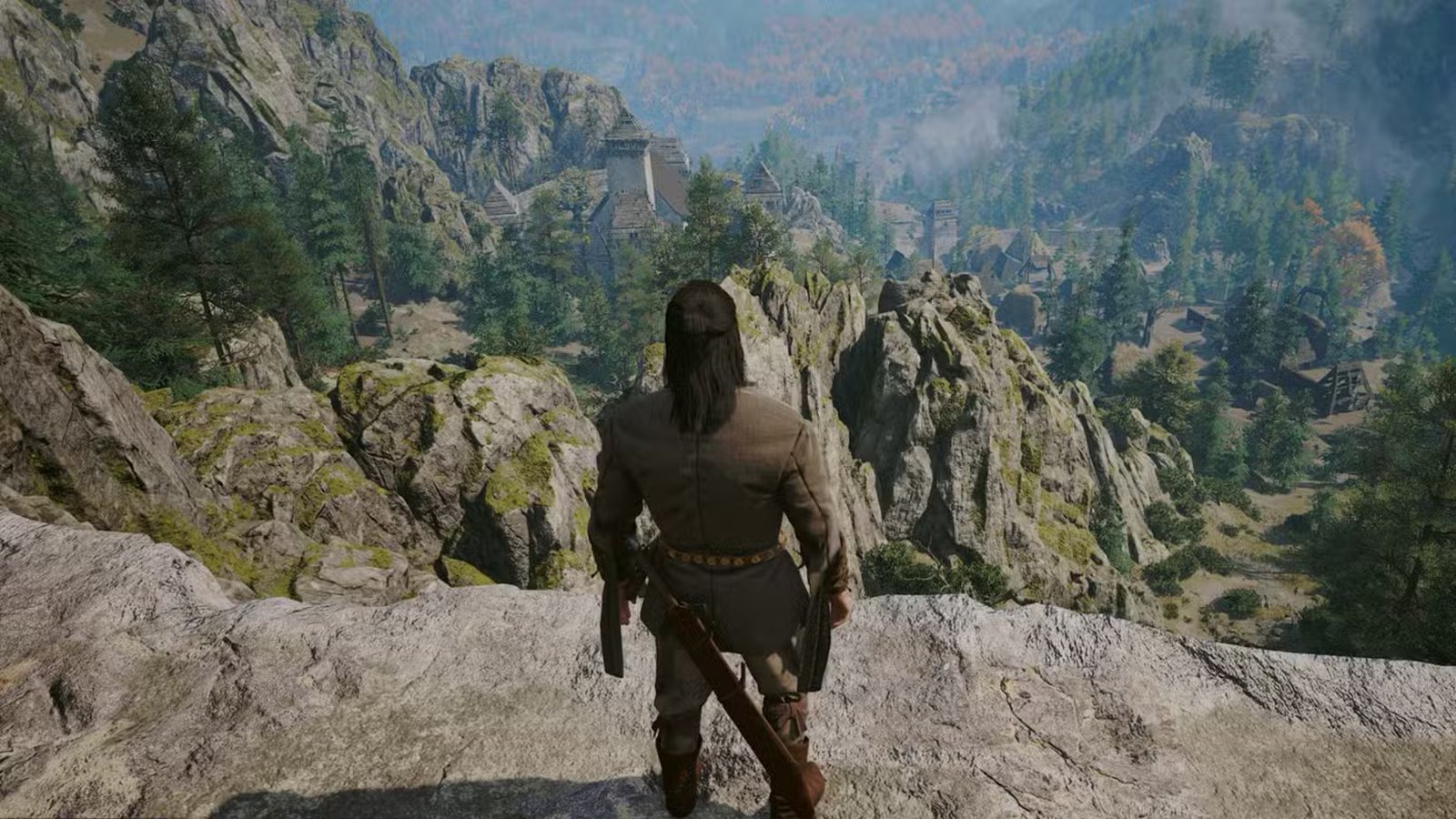
The Blood of Dawnwalker sets up high stakes right from its prologue. You play as Coen, a young man with vampiric powers, who gets swept up in political turmoil after his family is kidnapped by a ruling class of vampires, who have wreaked havoc on his town. That group is led by Brencis, a ruthless leader who intends to kill Coen’s family as part of a blood ritual. That ritual will take place 30 days after the abduction.
That premise fuels The Blood of Dawnwalker’s innovative time management system. Every quest that Coen takes on while preparing to take on Brencis costs a segment of time. You have a limited amount of segments to spend each day and night, and there’s no way that you can do everything the game has to offer in one playthrough. Every choice matters, so you have to pick your moves wisely to make sure you’re taking actions that will help you in the approaching fight.
It sounds anxiety-inducing at first, but it’s not. You quickly learn that you can do a lot with the time you have, whether you’re taking down Brencis’ closest soldiers, getting powerful gear, or pulling together allies. In fact, The Blood of Dawnwalker’s early hours are arguably less stressful than your typical open-world game. You’re given an immense amount of freedom from the jump, with very few main quests to chase. It feels like you’re on a road trip in the first 10 days, charting routes around the sprawling map and letting the road guide you. Hell, you can even make a beeline straight for Brencis, if you want to die a horrible death.
Get Polygon’s Wishlister newsletter
A weekly cheat sheet to what you’ll eventually love to play. No buying, no
commitment — just saving for later.
Sign up free
Free. Unsubscribe anytime.
But unlike other open-world games, the clock is always ticking. Every bit of time you spend brings you closer to your confrontation with Brencis, and you can’t put it off forever. You will be forced to save the day by a set day and time, even if you have open quests you really want to finish. Sorry, but blood rituals wait for no man.
It’s a brilliant way to solve one of my ultimate video game pet peeves. Nothing makes an open-world game feel more mechanical than the idea that Calamity Ganon is just kind of hanging out, patiently waiting for you to finish decorating your house. It creates the sense that the universe only revolves around Link; everything else is a prop set up for him. There’s no urgency to the central conflict because the embodiment of evil is little more than a finish line.

That’s not the case in The Blood of Dawnwalker. Brencis works as a villain because it always feels like he’s preparing to pull off his dark deed just as you’re preparing to foil him. Every time a day goes by, I can actually feel that he’s gotten one step closer to enacting his plan. Developer Rebel Wolves plays with that push and pull a lot throughout the game with its reactive gameplay systems. For instance, weakening Brencis’ operation isn’t a matter of checking quests off a list. Every action you take to sabotage him raises your notoriety, which results in Brencis sending more soldiers out to patrol, who can spot you even quicker. Your actions shape that response, but there’s still a sense that Brencis is an active participant in the world rather than a PlayStation trophy waiting behind a locked door.
The looming deadline is what truly sells the RPG immersion, though. The Blood of Dawnwalker never feels like a digital playground that you’re meant to dip in and out of whenever you’re bored. The story actually matters for a change, and Rebel Wolves wants you to see it to the end rather than driving up long-term engagement metrics to impress a publisher. It’s antithetical to a lot of modern game design that is built to keep you playing as long as possible. Sure, you’ll be tempted to start a new save file when you finish it so you can complete the quests you never got to see, but the important part is that you’ll finish it. No more procrastination; you’ve got a family to save.